News _________________________________________
Species found in fragile reefs
Tuesday, 10 March 2009
National Institute of Water and Atmospheric Research
niwa_sea_pen_600.jpg
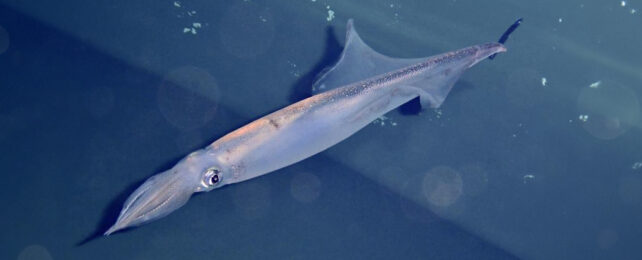
A living 'sea pen', 25 meters from the
surface.
Image: Sean Handley, NIWA

Scientists believe they have found new species after two weeks surveying Fiordland’s underwater ‘china shops’. Some of the sites have never been dived before, and another survey is due to start soon.

They are called ‘china shops’ for a reason ­– areas of particular biological interest or fragility, some of which are designated as no anchoring zones under management plans implemented by the Fiordland Marine Guardians and the Department of Conservation (DOC). China shops are often sites where protected species such as black or red corals are present in high densities, or where other species are found much closer to the sea surface than usual.

The surveys are a collaboration between DOC and the National Institute of Water and Atmospheric Research (NIWA). They used a ROV (remotely operated vehicle) and a team of scientific divers equipped with underwater cameras.

“It’s early days yet, but preliminary analyses indicate we have found more than 20 new invertebrates and six new species of algae during the surveys” says project leader Dr Trevor Willis of NIWA. “We have also identified several new areas that are worthy of china shop status and protection – some of these are truly spectacular”. Many of the spots had never been dived before. One, for example, was nicknamed Smiley Face after the numerous large, seven-gilled sharks the divers encountered.

Fiordland Marine Guardians chair Malcolm Lawson says “We are very pleased with the results of this project as it will give people more of an appreciation of just what a diverse range of species we have in the Fiordland Marine Area and why it is important to look after it.”

A second survey voyage will take place in early April, when the team will work with ROVs and deep water cameras to study life on the fiord walls at depths greater than 100 metres. “Fiordland is still relatively untouched,” says Dr Willis. “We probably know more about the marine life of Antarctica than this unique area on our own doorstep. I am certain that further surveys will yield new species, and we will be constantly revising the marine biodiversity of Fiordland.”

DOC Marine Ranger, Kath Blakemore, says “It’s been great to collaborate with NIWA and the Fiordland Marine Guardians on this project - their expertise and intimate knowledge of the Fiordland marine ecosystem has meant this research will add great value to our knowledge of the area.”


Editor's Note: Original news release can be found here.
 
| | More

Have You Read These Related Stories? ____________________________________________